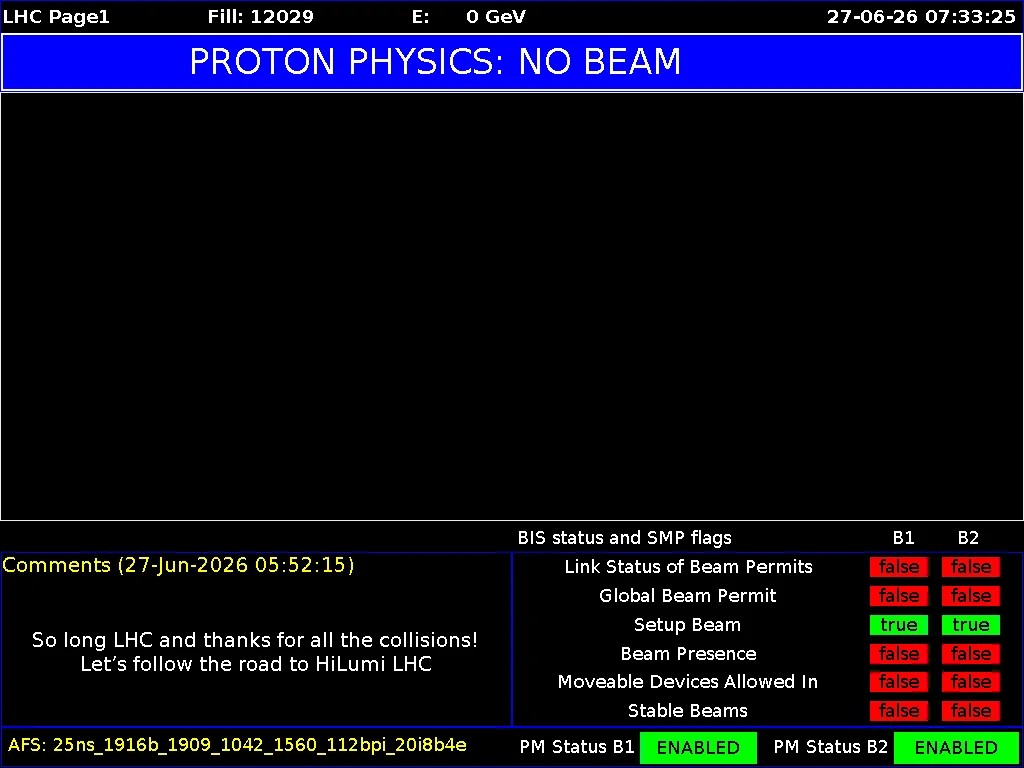
End of LHC Run 3
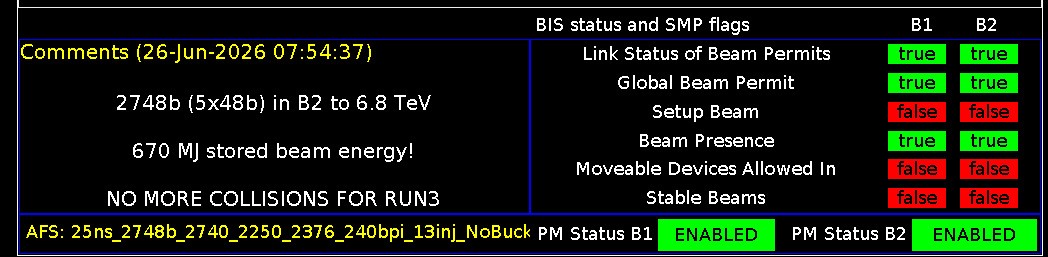
CERN bids farewell to the LHC and enters Long Shutdown 3
LHC Run 3 has officially ended today. This was the third and final extended data-taking era of the LHC as we know it.
It was the only run of the LHC which I experienced from start to finish as a member of the CMS experiment, and it was quite a long ride. It saw challenges and setbacks – the start was delayed by over a year due to the Covid pandemic, and in the second year data-taking was massively impacted by a tree falling on some power lines (really). Coupled with delays related to the planned HL-LHC upgrade to follow Run 3, the decision was made to continue LHC Run 3 into 2026, which led us to where we are today.
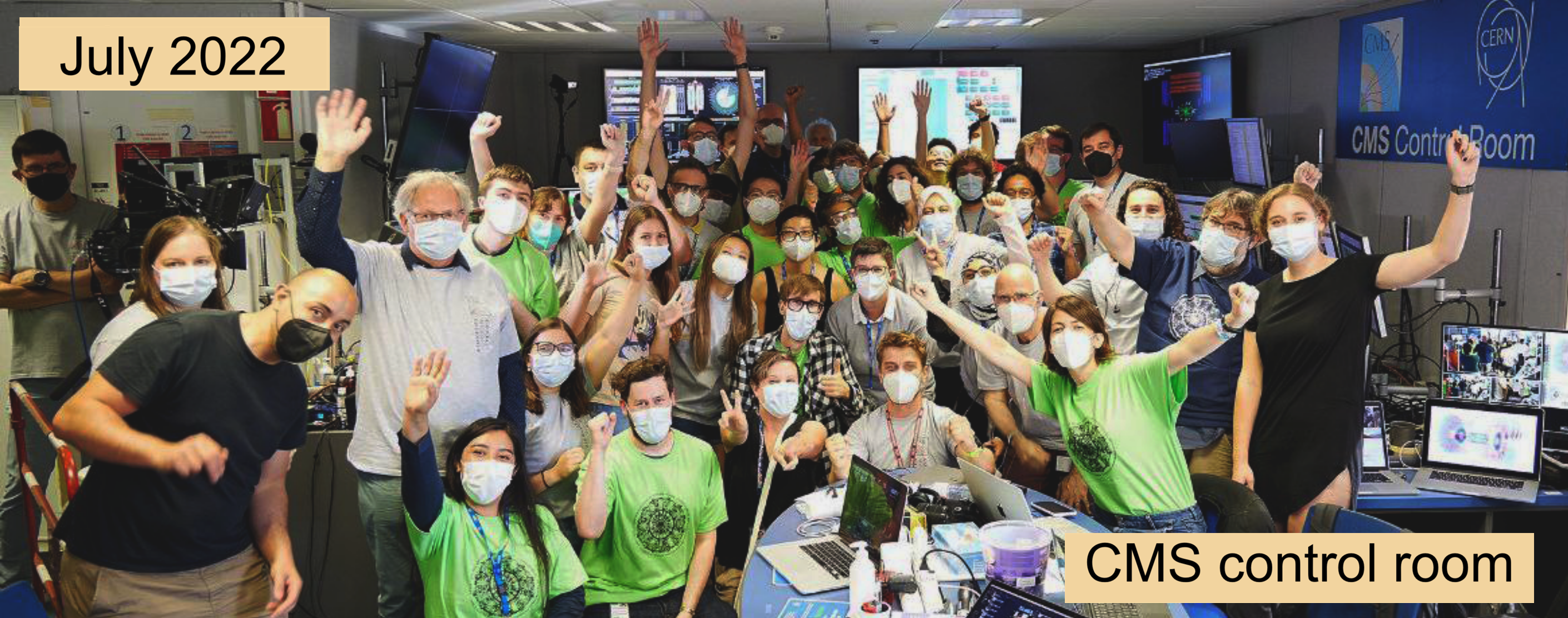
Run 3 began in July 2022 with the LHC delivering proton-proton collisions at 13.6 TeV, the highest energy ever achieved by a particle accelerator. It also saw considerably more collisions delivered to the experiments. This led to an enormous amount of data, from which physics results have only begun to trickle in. The majority of analysis of this data will be done in the immediate years to come, as the data is better understood and members of the collaboration finally have some time to examine it.
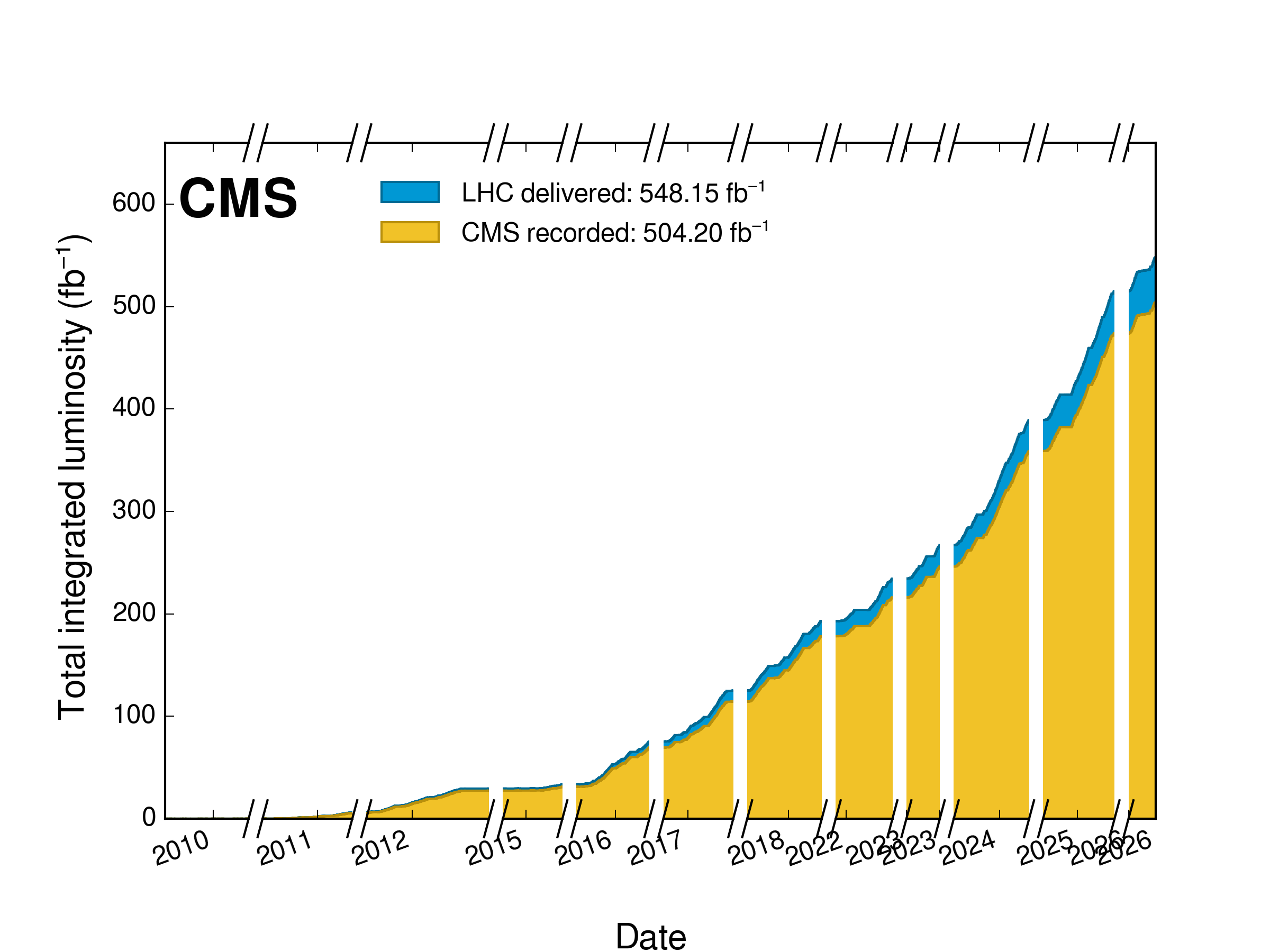
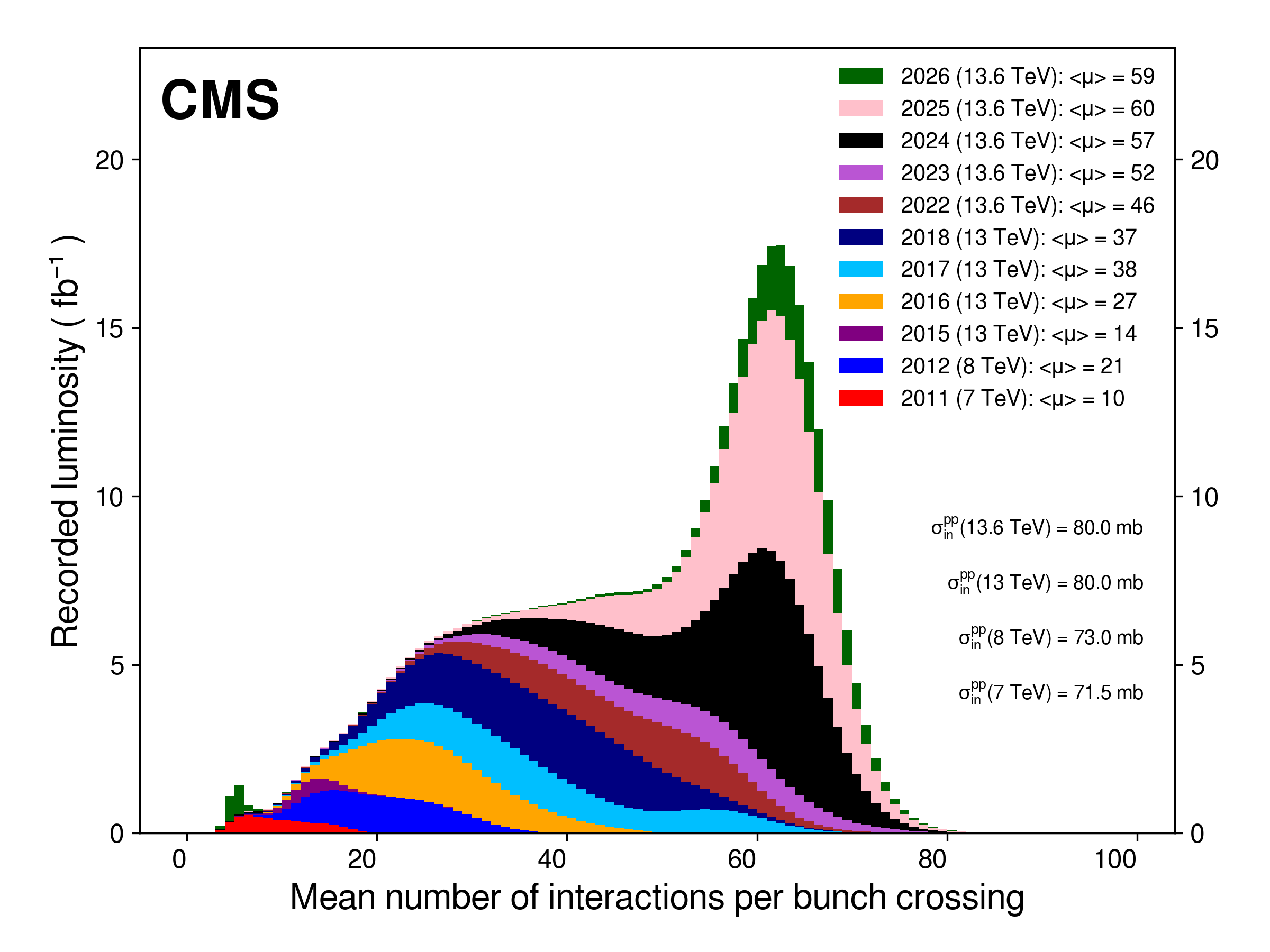
This impressive amount of collision data also came with operational challenges–in many ways, LHC Run 3 pushed our experimental hardware to its limits. The number of interactions taking place when two bunches of protons collide was increased, upping the number of particle tracks seen by the detector simultaneously, which need to be disentangled into separate physics events.
Additionally, these collisions deliver radiation which can damage detector electronics and components. The sheer number of collisions delivered during Run 2 and Run 3 has brought many detector components to the end of their reasonable lifetime. I’m thinking of course of the detector subsystem that I myself oversaw, the BCM1F luminometer, which became increasingly difficult to run optimally as time went on. Diodes died, leakage current buildup regularly caused high voltage power supplies to ramp down as a failsafe, and changes in sensor response and readouts required recalibration every other week. Even after replacing half of the detector with spare components in January 2025, it was clear that the detector could not perform optimally much longer. Out of 48 sensors in the design, by the end we were getting reliable data from about 10 of them, and they required near constant oversight.
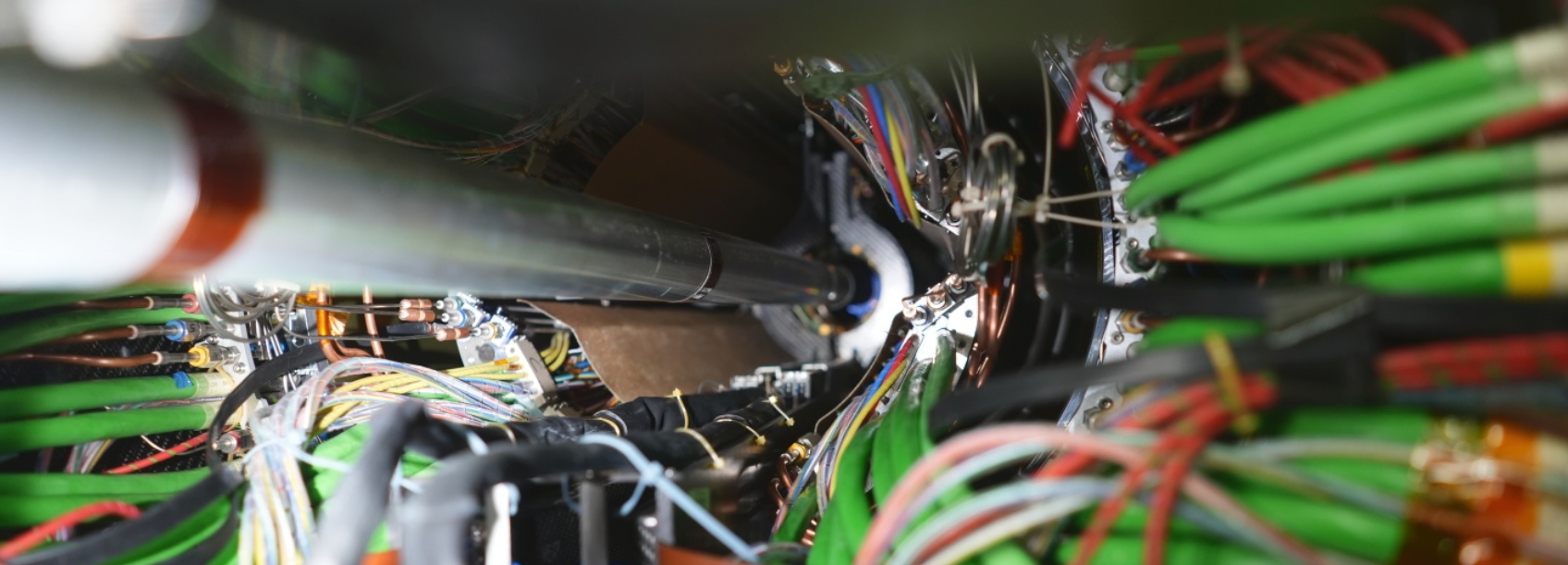
Now, many sub-detectors like BCM1F will be removed from the CMS assembly in the coming months, to be replaced with upgraded versions over the coming years in anticipation of the next phase of the CMS experiment as part of the High Luminosity LHC program.
As the maintenance of this detector was one of the main components of my work with CMS for the past 2 years, it is natural that this endpoint has me taking a step back from this sub-detector and from LHC physics more generally. Sometimes we all need a bit of downtime for upgrades and maintenance.